Social Media Marketing in the UAE: A Practical Guide
The UAE is one of the most socially connected markets in the world. Almost everyone is online, most people use several platforms every day, and a great deal of buying starts with something seen on a phone. That makes social media a serious sales channel here, but also a crowded one. This guide covers which platforms matter, how to plan content for a bilingual audience, what the rules are, and what it costs to do properly.
Start with the audience, not the platform
The UAE's population is unusually varied. Emirati nationals, long-term Arab residents, South Asian professionals and workers, Western expatriates, and visitors all use social media differently, in different languages, and at different times of day. A campaign that tries to speak to everyone usually connects with no one.
Before choosing platforms, define who you are trying to reach: their nationality mix, language, age, income level, and which emirate they live in. A luxury retailer in Dubai Mall, a clinic in Sharjah, and a B2B supplier in Jebel Ali need three very different approaches.
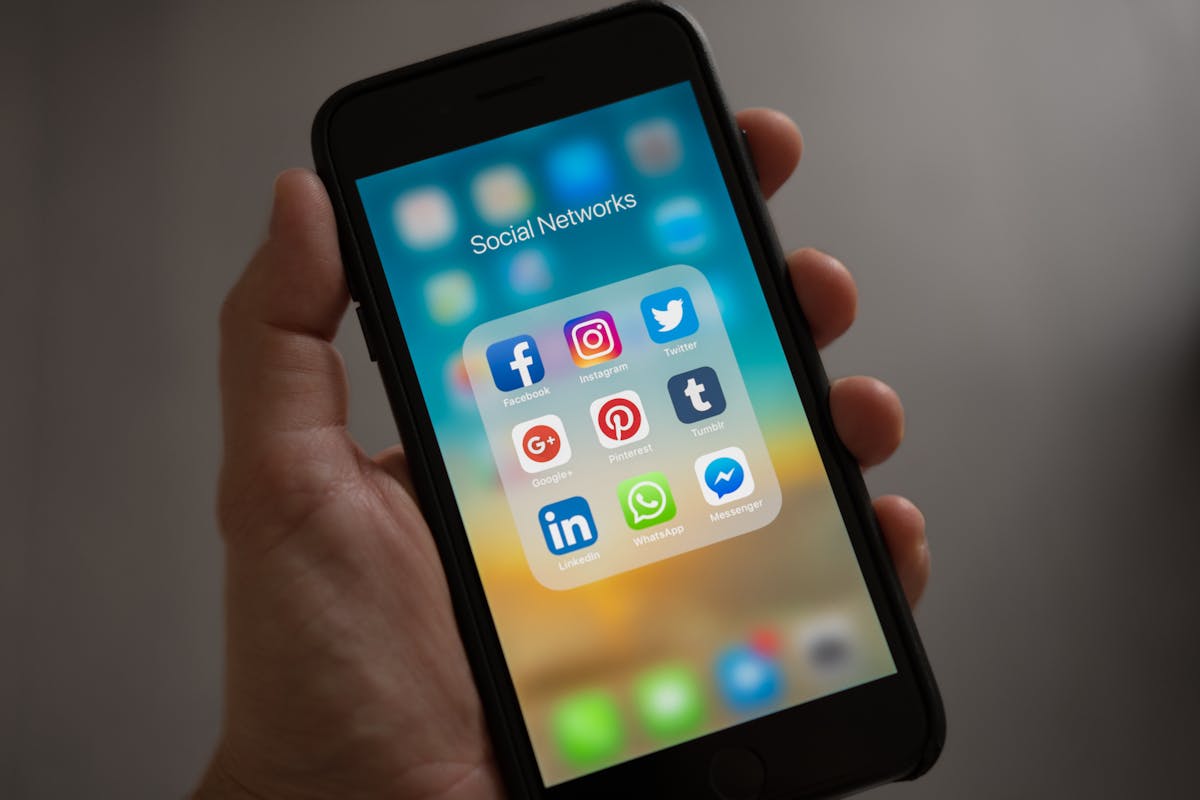
Which platforms matter in the UAE
- Instagram is the default platform for consumer brands, restaurants, fashion, beauty, real estate, and hospitality. Reels and Stories carry most of the reach.
- TikTok has grown quickly across all age groups and is strong for food, retail, entertainment, and anything that works as short video. It is no longer only for teenagers.
- Snapchat is far more important in the Gulf than in most Western markets, particularly among younger Arabic-speaking users. If Emirati and Saudi audiences matter to you, it deserves attention.
- Facebook remains widely used, especially among South Asian and Filipino communities and for community groups and marketplace activity.
- LinkedIn is the main platform for B2B, professional services, recruitment, and corporate reputation. Dubai's business community is very active on it.
- YouTube is heavily used for longer content: reviews, tutorials, property tours, and entertainment in Arabic, English, and South Asian languages.
- WhatsApp is not a social network in the usual sense, but it is where most customer conversations end up. A click-to-WhatsApp button often converts better than a web form.
You do not need to be on all of them. Two platforms run well will outperform five run badly.
Content that works for a bilingual audience
Decide early how you will handle language. There are three workable approaches: separate Arabic and English posts, bilingual posts with both languages in the caption, or separate accounts for each language. Which is best depends on your audience mix, but one rule applies to all three: Arabic content should be written by a native speaker for an Arabic-speaking audience. Translated captions read as translated, and audiences notice.
Dialect matters too. Gulf Arabic is the natural choice for content aimed at Emiratis, while Modern Standard Arabic is safer for formal communication and a wider Arab audience.
In terms of format, short vertical video leads on almost every platform. Video that shows real people, real locations, and real products performs better than polished stock visuals. Behind-the-scenes content, customer stories, quick tips, and answers to common questions are reliable formats for most businesses.
Plan around the UAE calendar
Timing in the UAE follows a calendar that differs from Western markets, and planning around it makes a noticeable difference to results.
- Ramadan changes daily routines. Online activity shifts later into the evening and night, and the tone of content should be more reflective and community-minded. Many brands see their highest engagement of the year in this period.
- Eid al-Fitr and Eid al-Adha are major gifting and travel periods.
- UAE National Day in early December and Flag Day in November are important moments for brands with a local audience.
- Dubai Shopping Festival and Dubai Summer Surprises drive retail activity.
- White Friday in late November is the regional equivalent of Black Friday and the biggest online sales period.
- The summer months are quieter, as many residents travel, while the cooler months from October to April are the busiest for events, tourism, and dining.
- The working week runs Monday to Friday, with a Saturday and Sunday weekend. Posting schedules built for other Gulf countries may need adjusting.
Plan the big moments at least six to eight weeks ahead. Ramadan campaigns in particular are usually prepared months in advance.
Know the rules
Social media content in the UAE is regulated more closely than in many other countries, and businesses are responsible for what they publish.
- Content must respect local laws and cultural values. Avoid material that could be considered offensive to religion, the state, or public morals.
- Do not post photos or videos of people without their consent. Privacy laws in the UAE are strict.
- Advertising must be clearly identifiable as advertising. Paid partnerships should be disclosed.
- Influencers and creators who promote products for payment are generally required to hold the appropriate licence or permit from the UAE's media regulator. Before working with an influencer, ask to see it.
- Regulated sectors such as healthcare, financial services, and real estate have their own advertising rules and approval requirements.
The rules change from time to time, so check the current requirements with the relevant authority or a legal adviser before launching influencer campaigns or advertising in a regulated sector.
Paid social advertising
Organic reach on most platforms is limited, so a paid budget is needed for consistent results. The UAE is a relatively expensive advertising market because many brands compete for a small, high-income population.
A few practical points make the budget go further. Target by emirate and by area rather than the whole country. Run Arabic and English ads as separate campaigns so you can see which performs. Use click-to-WhatsApp or lead-form ads when the goal is enquiries. Install tracking on your website properly before spending anything, so you know which ads produce customers rather than just clicks.
A realistic starting advertising budget for a small business is AED 2,000 to 8,000 a month. Below that, the platforms do not gather enough data to optimise, and results tend to be inconsistent.
Working with influencers
Influencer marketing is well established in the UAE and can work very well, particularly for restaurants, beauty, fashion, and hospitality. The lessons learned by brands here are consistent.
- Smaller creators with an engaged local following often outperform large accounts with a global audience.
- Check where an influencer's followers actually are. An account with a large following mostly outside the UAE will not fill a restaurant in Dubai.
- Agree deliverables, usage rights, and timing in writing.
- Confirm the influencer is properly licensed for paid promotion.
- Track results with a dedicated code or link, so you can compare partners.
What it costs
Typical 2026 market ranges for social media management in the UAE are AED 3,000 to 6,000 a month for one or two platforms with a modest posting schedule, AED 6,000 to 12,000 for several platforms with regular original video, and more where photo and video shoots, community management, and bilingual content are all included. Advertising spend and influencer fees are additional.
Very cheap packages usually mean templated graphics and recycled captions. That kind of content does little for a business in a market as competitive as this one.
How to measure results
Followers and likes are the easiest numbers to report and the least useful. Measure what connects to the business.
- Enquiries and messages received through social platforms
- Website visits and sales from social, tracked in analytics
- Cost per enquiry or per sale from paid campaigns
- Reach among your target audience in the UAE, not globally
- Saves, shares, and comments, which indicate genuine interest
Review these monthly. Keep the formats that bring enquiries, and stop the ones that do not, however good they look.
Common mistakes
- Trying to be on every platform
- Translating English content into Arabic instead of writing for an Arabic audience
- Posting without a paid budget and expecting growth
- Ignoring comments and messages
- Using stock images instead of real people and places
- Working with unlicensed influencers
- Measuring followers instead of business results
Common questions
Which social media platform is best for business in the UAE? It depends on the audience. Instagram and TikTok lead for consumer brands, LinkedIn for B2B, and Snapchat for younger Arabic-speaking audiences.
How much does social media management cost in the UAE? Typical retainers run from AED 3,000 to 12,000 a month, depending on the number of platforms and the amount of original content. Advertising spend is extra.
Do I need to post in Arabic? If Arabic speakers are part of your target audience, yes. Content written by a native speaker performs noticeably better than translated captions.
How often should a business post? Three to five quality posts a week, plus regular Stories, is a realistic rhythm for most businesses. Consistency matters more than volume.
Do influencers need a licence in the UAE? Creators who promote products for payment are generally required to hold the appropriate permit. Ask to see it before agreeing a paid partnership, and check the current rules.
Can social media work without paid advertising? Organic reach is limited on most platforms. A modest advertising budget is usually needed for steady, measurable results.
Getting started
Pick the two platforms where your customers spend the most time. Plan a month of content around real questions customers ask. Set a modest paid budget, track enquiries, and adjust each month. Consistency over six months matters more than any single campaign.
Bricksense manages social media for businesses in the UAE and abroad, including bilingual content and paid campaigns. If you would like a plan for your own business, contact us through our contact page.